
Landing Your First Design Clients With Little to No Experience
It’s one of the biggest challenges new freelance designers face today.
You spend hours learning Photoshop, Illustrator, or Canva, but no one tells you how to build a portfolio without clients, get your first opportunities, or convince someone to trust your work.
In this interview, freelance graphic designer and content creator Marko Donevski shares the practical lessons that helped him go from creating personal projects to working with musicians, restaurants, podcasters, and businesses.
Sometimes we overthink the process and search for the “perfect” strategy, when in reality, the answer is often much simpler.
If you’re building a design career from scratch, Marko’s advice may help you avoid months of trial and error – and give you the confidence to simply start.
 Meet Marko Donevski,
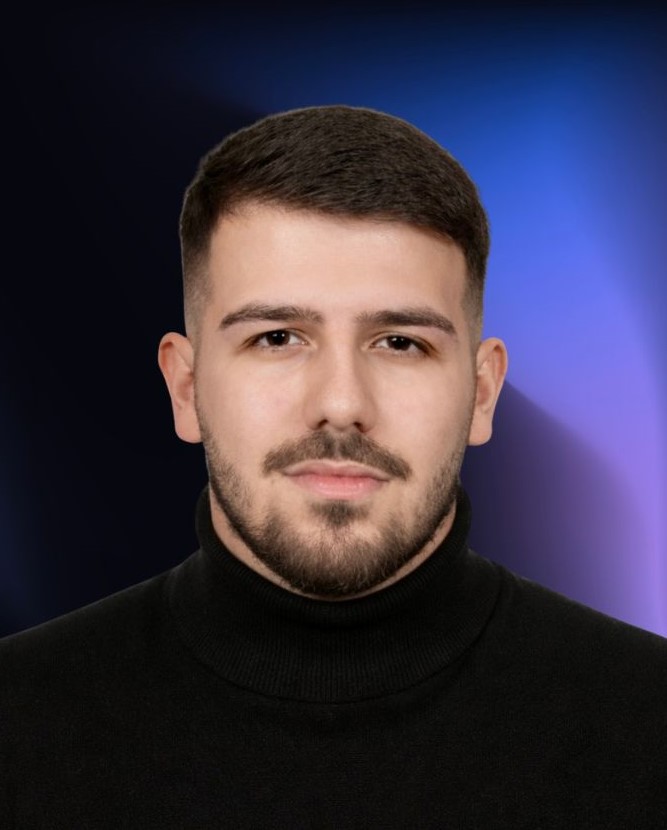
Although Marko is still in the early years of his career as a freelance Graphic Designer, Content Creator, and Social Media Creative, he is proof that you don’t need years of experience to build a strong portfolio.
Today, he has turned admiration into opportunity – going from being a fan of musicians, podcasters, and restaurants to becoming the designer they trust and hire.
In this interview, Marko shares the lessons he learned while building his freelance career from the ground up.
Starting From Zero.
💬 You started freelancing relatively recently. What was the hardest part about getting your first client, and how did you overcome it?
The hardest part at the beginning was getting that first chance from someone without having a strong portfolio or experience.
The solution was simple – keep creating, build my own projects, and show what I can do.
Over time, one client leads to another.
Portfolio Building.
💬 Many new designers feel stuck because they have no portfolio and no clients. Which comes first, and what would you suggest they do?
Portfolio comes first. You don’t need clients to start — you need proof of skill.
If you have nothing to show, create it yourself. Build fake brands, redesign existing ones, make posters, covers, or social media concepts.
Treat every project like it’s real. Once your portfolio looks strong, clients will start to follow naturally.
Real-world Experience.
💬 How did you go from practicing design to creating work for musicians, podcasters, restaurants, and local businesses?
I moved from practice to real work by communicating with people, offering ideas, and taking on different challenges.
Every project taught me something new not just about design, but also about working with clients.
Attracting Clients.
💬 Where have most of your opportunities come from so far – Instagram, referrals, networking, direct outreach, or something else?
Most of my opportunities came through Instagram, referrals, and direct outreach.
When you consistently show your work and build trust, people naturally start noticing you.
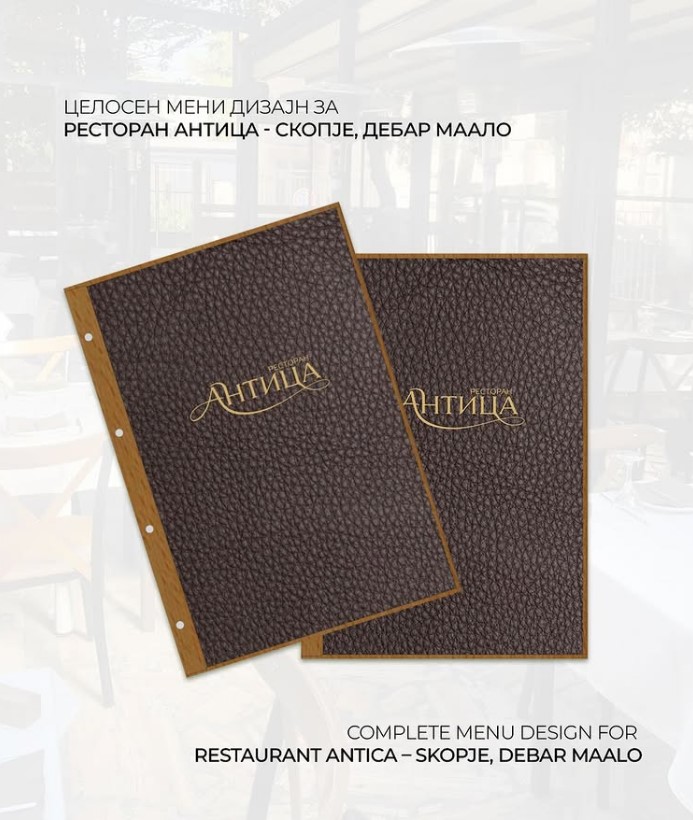
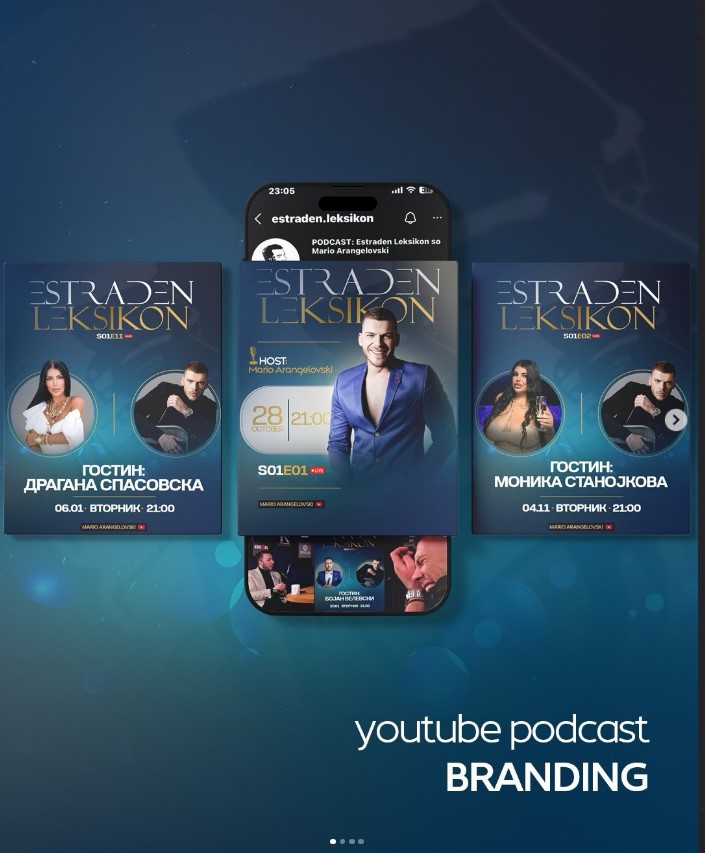
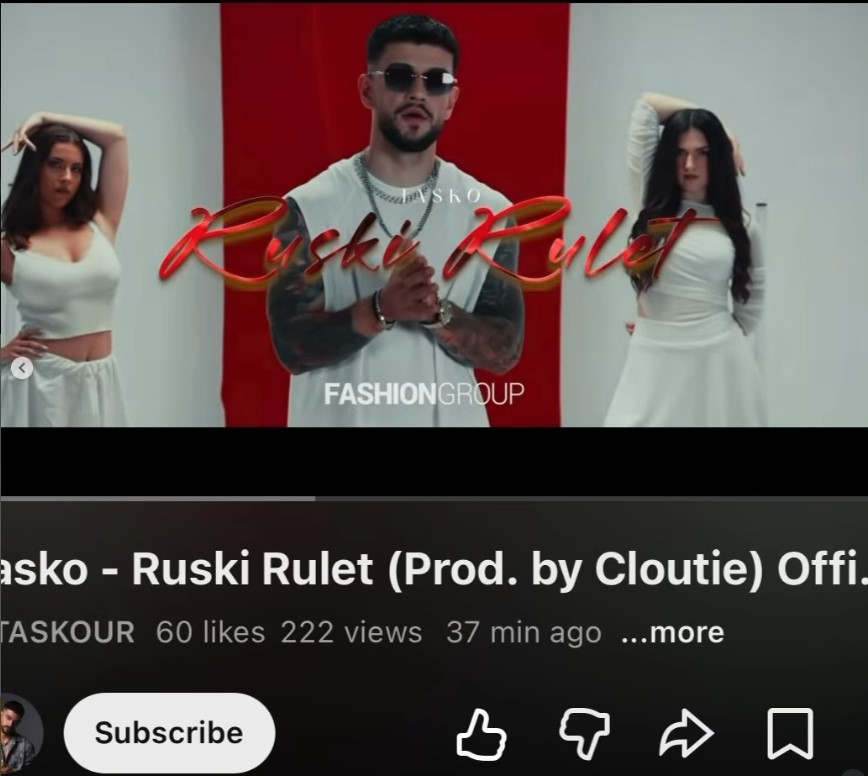
Some of Marko’s Designs
Coming From a Small Country.
💬 Many talented creatives come from smaller countries like North Macedonia. How can they compete with designers from larger markets and get noticed?
Location is not a limitation today.
If your quality is good and you know how to present yourself, you can work with clients anywhere.
Being from a small country can even be an advantage because it’s easier to stand out.
Instagram as a Portfolio.
💬 Your Instagram showcases a lot of your work. How important has social media been for attracting clients and building trust?
Instagram was one of the most important tools for me.
It’s not just a place to post designs – it’s where clients see how you think and whether they can trust you.
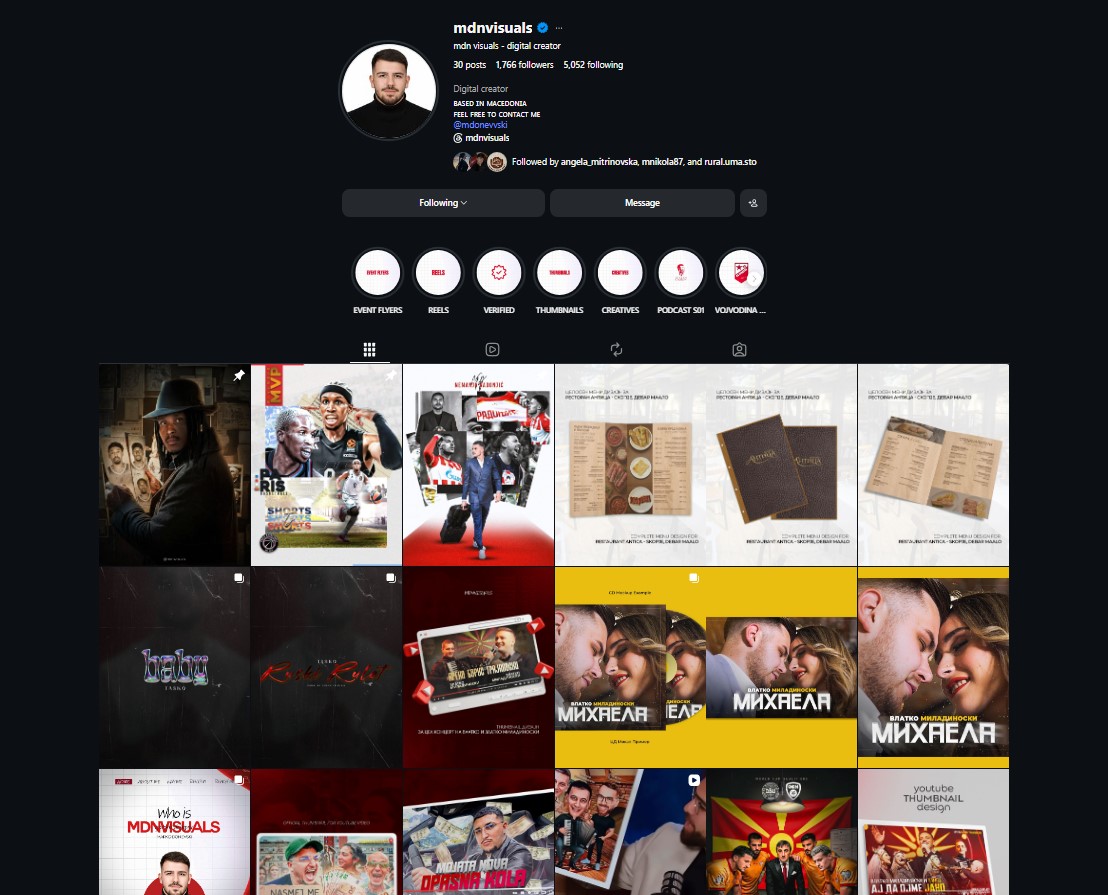
Marko’s Instagram Portfolio
Beginner Mistakes.
💬 What are the most common mistakes you see beginner designers making when they start freelancing?
The most common mistake is focusing too much on tools instead of ideas and communication.
A good designer is not just someone who knows Photoshop, but someone who solves problems.
Working With Clients.
💬 What is something clients care about that beginner designers often overlook?
And what helped you improve the fastest as a designer?
Clients don’t just care about aesthetics – they care about results.
I improved the fastest when I started listening more, asking better questions, and thinking from the client’s perspective.
Design Trends.
💬 Do you follow trends when creating designs that actually serve the client’s goals?
Trends are useful for inspiration, but they shouldn’t be followed blindly.
I always start with what the brand needs and what message it should communicate.
Favorite Project.
💬 Which project are you most proud of so far, and what did it teach you about design or working with clients?
All projects where I got the chance to collaborate with people and places I was first a fan of are my favorites.
Turning something I admired into something I worked on feels special every time.
Those kinds of projects mean the most to me because they combine passion, respect, and real collaboration – going from being a fan to becoming part of the project itself.
Pricing and Value.
💬 One challenge for many beginners is pricing their work. How did you decide what to charge, and what have you learned about pricing since then?
At the beginning, it’s hard to know your value.
I started with lower prices to gain experience, but over time I realized pricing is not just about time – it’s about knowledge, ideas, and value delivered.
Beginners’ First 90 days of Focus.
💬 For someone reading this interview who wants to become a freelance designer or content creator, what should they focus on during the next 90 days?
Don’t wait to be perfect before starting.
You learn the most through real work and real projects.
For the next 90 days, they should focus on building a strong portfolio, improving daily, and consistently sharing work.
Consistency is what makes the difference.
💜 Marko’s Mindset Tip
“Don’t wait for permission to start. Create, share, and improve every day. Over time, your work will speak for itself.”
