
A Day in a Life of a Virtual Assistant: Working With Local & International Clients.
We get this question a lot:
”How does a day in the life of a Virtual Assistant look?”
Interestingly, this same question – answered through an article – is what once inspired someone else to start a Virtual Assistant career.
Meet Klara, a Virtual Assistant and a Founder.
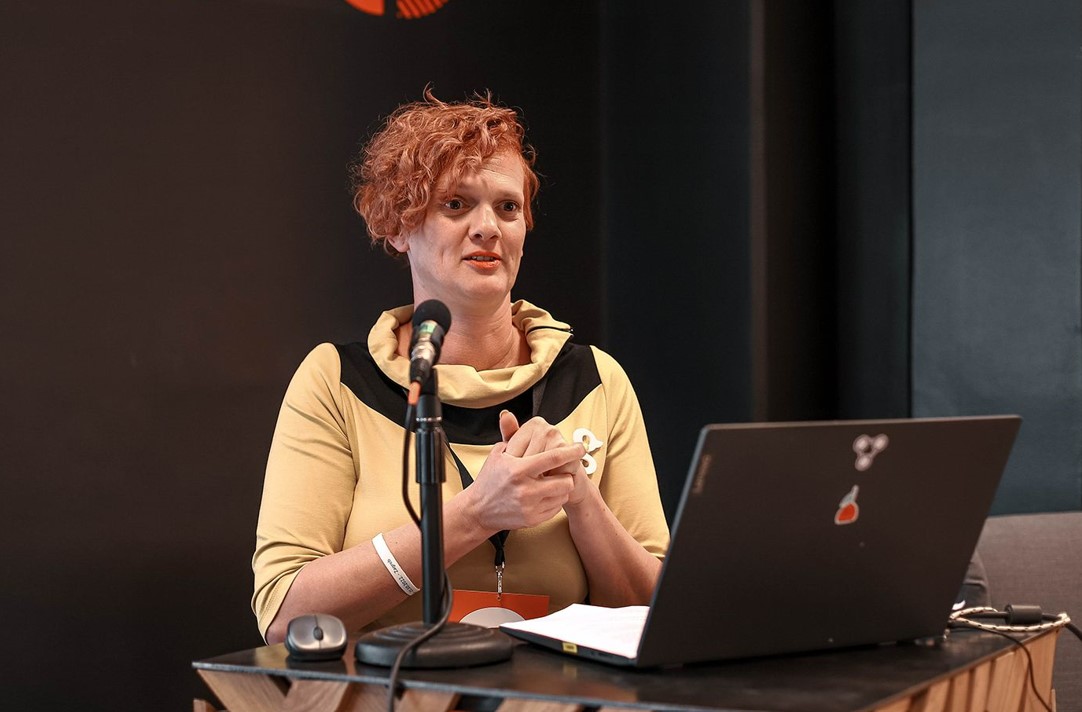 This month’s spotlight is on Klara Franciscovic.
An experienced Virtual Assistant, Mentor, and the Founder of Expertise, based in Croatia.
She works with multiple clients, runs a Virtual Assistant podcast, and mentors VAs who want to build stable, confident careers – not just chase their next client.
At SkillSpotterZ, we spotlight creative minds to help companies and remote talent grow together – sharing real talk and practical insights from inside the industry.
💬 What brought you into the Virtual Assistant career? What were your first steps in the VA world?
When my son was celebrating his 2nd birthday, I found myself on a plane to London. That was in May 2019. I realized I needed to change something – it was time for a career change. There were also some personnel changes happening in the company at that time, and I started looking for a new job. Going to interviews was exhausting, and by then COVID had already started, so everything shifted online. I came across an article about virtual assistance, and that’s where it all began. The simple fact that I could work from home, by my own rules, was the wind beneath my wings.
💬What is the one most important thing you would tell VAs who are just starting out or trying to improve their career?
Don’t be afraid to say no. No, to clients you can see won’t be your ideal match. No to projects that will completely drain you, and the result might not be what you expected. Value yourself, your knowledge, and the skills you’ve worked hard to accumulate.
💬You are not only a VA, but also a mentor and coach. How do you help VAs deal with fear, impostor syndrome, and procrastination?.
Honesty is what works. With me, there are no stories about how everything is perfect. I speak completely honestly about the ups and downs, because they exist and they’re not rare. If you know from the start that they’ll come, then you won’t be afraid when they do.
💬What does a typical workday look like for you as a VA? Do you have any rules or rituals for starting your day?
Uff, my workday starts at 6:00am. I know, crazy! But it suits me best. I stop working around 4:00pm. Sometimes I’ll go to the hairdresser around 11:00, or for a massage, but that’s the beauty of this job. Organization is everything – every day I follow my to-do list and I must complete everything written down for that day, so the possibility of not finishing something is reduced to a minimum. I always leave room for new tasks that come up during the day – I need at least 2 hours for them.
 Subscribe to Klara’s Newsletter
💬How do you prioritize tasks and responsibilities when working with multiple clients?
Every day I determine at what time I’ll complete each task. I know what’s important to clients and I always try to adapt to unexpected changes. If that’s not possible, they know I’ll complete everything that needs to be done within 24 hours. Open communication is the key to success in this job.
💬What are the most common tasks you personally handle as a VA?
Administrative tasks such as preparing documentation for accounting, customer support, creating invoices and quotes, preparing business cooperation agreements, market research, email organization, creating forms and automation within mailing tools like MailerLite…
💬What tools or systems do you rely on daily to stay productive and organized?
Remarkable is my most faithful companion – every day is scheduled in it down to the last detail. Notion helps me with all the information I need related to client tasks and for creating content for my social media.
💬How do you choose your clients today? Should VAs have a target client or accept different types of work at the beginning?
After more than 4 years of working as a VA, I choose my collaborations – because I can afford to. In the beginning, everyone wants to earn money, so it happens that you choose collaborations that might not be ideal, are less paid, or are simply too much for you – because you’re not comfortable with something. Service specialization is an important key; then clients who need exactly what you offer will come to you. That way you’ll avoid noise in communication.
💬Did you know everything when you started as a VA? Can you share something you had to learn while already working with a client?
Of course I didn’t know everything, not even half of what I know now. When you work in a corporation like the one I came from, you’re limited in many ways. Working with clients, I learned new tools, from task management tools to AI tools. And then new skills too. Customer support is something I feel at home with, so I was teaching clients more than they were teaching me, but I got to know many new software programs and adapted to the ones my clients use. I don’t push anything of my own, and that’s the most important thing – nothing good comes by force.
💬Many new VAs struggle to imagine what their future workday will look like. How can they help themselves realistically picture it?
Start by mapping out your ideal day – not a perfect fantasy, but a realistic one. Think about when you’re most productive, when you need breaks, and how much time different tasks actually take. I recommend tracking your time for a week, even before you have clients – do some practice tasks, research, create your portfolio. You’ll quickly see that a productive 4-5 hour workday as a VA is very different from an 8-hour office day. Also, follow other VAs, ask questions, and don’t be afraid to adjust as you go. Your workday will evolve with you and your clients, and that’s completely normal.
💬What separates you from other VAs, and how can VAs identify what makes them different and communicate that to clients?
Very interesting question. I was everywhere at one point, there’s nowhere I didn’t pop up, through LinkedIn posts, on Facebook. Now I also have a podcast about virtual assistance. For me, honesty is definitely what sets me apart from others. And through videos on social media – that’s me – no pretending, because people recognize that. It’s important to bring value to people, and that’s the only thing that matters. Empty talk doesn’t bring results, ignorance is recognized. The word you must remember is value – if you don’t bring it, you won’t achieve any goal you’ve set for yourself.
💬What advice do you give VAs who are stuck with 1–2 clients and want to become fully booked?
First, they must ask themselves how clients came to them. And then: Are they clearly communicating their services, prices (yes, put them out publicly), do they have a portfolio where they can show their services, reviews (even one from a client is enough if it clearly communicates what we did for them and how we solved their problems). If you don’t want to write on social media about what you do, go to the conferences, lectures, workshops that will not only bring you new knowledge but also expand your circle of people who, if they don’t need your services, know who does.
💬What do you think is better: working with one main client or multiple clients with fewer hours each? Why?
Definitely multiple clients. I currently work with 12 clients. With each one, I learn something new, it’s more dynamic to work with several of them, and in Croatia, if you work with only one client, it’s considered hidden employment. What’s important to highlight is that if you work with only one client who at one point decides to terminate the collaboration, you’re left without income. When one client leaves, and you have 10 others, financially- you’re still in a safe zone.
💬How can VAs honestly assess their value and price themselves fairly- without undercharging or feeling guilty?
The years of knowledge we’ve accumulated have their price. A VA is expected to complete the work they say they can do. Yes, you might have to show me the tools you use if I haven’t encountered them before, but essentially, I have knowledge, and I charge for it. Put your expenses on paper and see how many hours you’d need to work monthly to cover them. Believe me, the number will surprise you. Don’t let it fool you if it’s 40 hours a month. As a VA, you measure your time, and 40 hours of productive work is not a little. For comparison, if I complete 25 hours in one week, I’ve done a huge job for my clients and trust me – I’m tired at the end of the week.
💬What are the main differences between working with local and international clients?
Regulations and laws that we must adapt to, especially if we work on contracts and/or invoices. Adaptation is important; if we’re ready for that, then it doesn’t matter who the client is in the end. The only small problem can be the time difference – if we want to work for USA clients, for example, then depending on the work we do, we must be flexible with the time zone where our client is. And yes, international clients may pay you more.
💬What mistakes do new VAs often make when working with international clients, and how can they avoid them?
Fear that they’re not good enough to complete everything that’s needed. Which isn’t true – if you have the skills and knowledge, it really doesn’t matter who your client is. Your English doesn’t even have to be perfect – there are numerous tools that will help you correct grammatical and spelling errors. What I recommend is not to go into customer support if your English really isn’t very good and you’re not familiar with the company, services, and products they offer. Try to be realistic, please.
 Watch Klara’s Podcast on YouTube
💬What mindset shift or strategy has helped your VA students grow the most?
When they realized they didn’t have to be perfect to succeed, excellent opportunities opened up. We are our own biggest problem and what’s in our heads. We’re never good enough. Guess what? We never will be. And that’s okay!
💬If a VA wants to stand out in a very competitive market, what should they focus on first?
Define your ideal client and your niche – specialization is the key to success.
💬What can new VAs realistically expect in their first 3–6 months?
You’ll have to put in a lot of effort to find clients. No one will just knock on your door. You’ll have to talk about the work you do; some will create a website, some will invest in social media and posts on them. Get out of your four walls, meet people, entrepreneurs, and new opportunities. You’ll have to talk a lot so that entrepreneurs understand what you do and realize the value you can bring them.
💬What results have your VA students achieved on your guidance? Can you share a success story?
Once we laid the foundations, everything was up to them. Those who were open and ready for new opportunities were very quickly recognized in the market. I remember one who wanted to work with everyone, and then after our first meeting, we defined that this wasn’t the best path. We used her expertise in working with associations, and today she’s recognized for that. That’s the goal we want – when someone asks if we know a VA who’s excellent at working with associations, only one name comes to mind – hers
💬Do VAs really need a mentor, coach, or course- or can they succeed on their own? What truly makes the difference?
They can succeed on their own. I didn’t have a mentor to guide me; I took one 3-month course, which I can say was a waste of time. I’m persistent, and I don’t give up, so I started with the knowledge I had, which was ultimately recognized. If we’re not confident enough at the very beginning about services and clients, then it’s good to have someone who will give us support for the first 3 months. If we already have everything sorted out in our heads, then nothing stops us from starting this adventure.
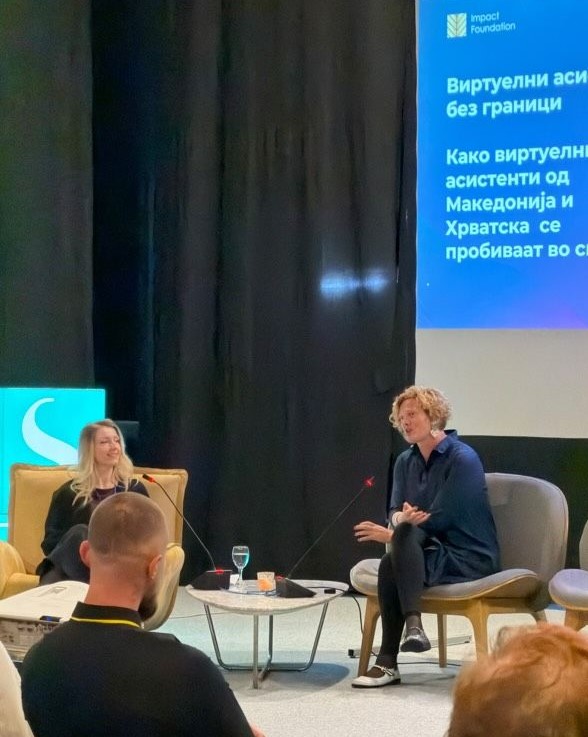 Connect with Klara on LinkedIn
💜Klara, what’s one lesson, mindset, or mantra you keep coming back to?
Everything you can do today, don’t leave for tomorrow. Mistakes aren’t a problem if we’re ready to correct them and admit them. Believe in what you do and what you promote – believe in yourself! And just enjoy this amazing journey, no matter how hard it will be!
